
Everest Sherpa People: Who Are the Sherpa People?
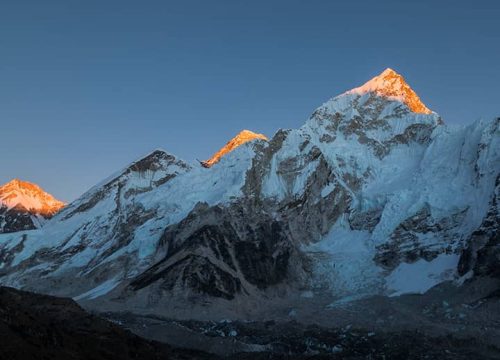
When people think of Mount Everest, they often imagine towering peaks, snowstorms, and daring climbers. However, behind every successful Himalayan journey stands a community whose strength, knowledge, and resilience have shaped mountain exploration for generations—the Sherpa people.
The Sherpa people of the Everest region are not just mountain guides or porters. They are an indigenous Himalayan community with a rich cultural identity, deep spiritual beliefs, and an intimate connection to the mountains they call home.
This article explores who the Sherpa people are, where they come from, and why they are essential to trekking and mountaineering in Nepal.
Who Are the Sherpa People?
The Sherpas are an ethnic group native to the high Himalayas of Nepal, primarily living in the Everest (Khumbu) region. The word Sherpa comes from two Tibetan words:
- Shar meaning “east”
- Pa meaning “people”
This reflects their ancestral migration from eastern Tibet into Nepal around 500 years ago.
Today, Sherpa communities are found in villages such as Namche Bazaar, Khumjung, Khunde, Pangboche, and Thame.
Sherpa Culture and Daily Life
A Life Shaped by the Mountains
Sherpa life revolves around altitude, climate, and tradition. Farming, herding yaks, trading, and tourism form the backbone of their economy. Despite modern influences, Sherpa society remains deeply community-oriented.
Language and Identity
Sherpas speak Sherpa language, which is closely related to Tibetan. Nepali is widely spoken, and many Sherpas also speak English due to their work with international trekkers.
Religion and Spiritual Beliefs
Most Sherpa people practice Tibetan Buddhism, which plays a central role in their daily lives. The mountains are considered sacred, especially Mount Everest, known locally as Sagarmatha or Chomolungma, meaning “Mother Goddess of the World.”
Key spiritual features include:
- Monasteries (gompas)
- Mani walls carved with mantras
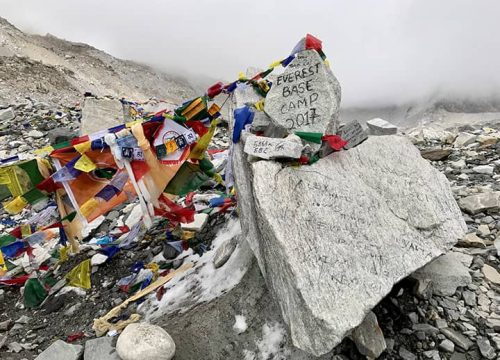
- Prayer flags
- Sacred mountain rituals
Before major expeditions, Sherpas often perform puja ceremonies to ask the mountain spirits for protection.
Sherpas and Mountaineering History
The Backbone of Everest Expeditions
Sherpas became globally recognized during early Everest expeditions in the 20th century. Their natural adaptation to high altitude, endurance, and route knowledge made them essential to climbers.
Famous Sherpas include:
- Tenzing Norgay, who reached Everest’s summit with Sir Edmund Hillary in 1953
- Apa Sherpa, who summited Everest 21 times
- Nirmal Purja, redefining high-altitude climbing records
Despite this recognition, many Sherpas emphasize teamwork and humility over personal fame.
Why Sherpas Are Naturally Adapted to High Altitude
Scientific studies show Sherpas have unique physiological traits:
- Efficient oxygen utilization
- Higher nitric oxide levels
- Better blood flow at altitude
These adaptations allow them to work and live comfortably above 4,000 meters, where others struggle.
Sherpas in Modern Trekking
Today, Sherpas work as:
- Trekking guides
- Expedition leaders
- Lodge owners
- Rescue specialists
Their knowledge ensures safe navigation, proper acclimatization, and cultural understanding for visitors trekking in the Everest region.
However, it is important to understand that not all Sherpas are guides, and not all mountain guides are Sherpas. Sherpa is an ethnic identity, not a job title.
Respecting Sherpa Culture as a Trekker
Visitors can show respect by:
- Asking before photographing people or religious sites
- Walking clockwise around mani walls
- Dressing modestly in villages and monasteries
- Understanding that mountains are sacred, not just adventure playgrounds
Cultural respect builds stronger connections and meaningful travel experiences.
Challenges Facing Sherpa Communities
Despite tourism benefits, Sherpa communities face challenges:
- Climate change affecting glaciers and trails
- Increased expedition risks
- Cultural dilution
- Environmental pressure
Sustainable trekking and responsible tourism play a crucial role in preserving Sherpa heritage.
Why Learning About Sherpa People Matters
Understanding the Sherpa people transforms trekking from a physical journey into a cultural one. Their stories, beliefs, and resilience are inseparable from the Everest region itself.
When you walk these trails, you are not just passing through mountains—you are entering a living culture shaped by generations of Himalayan life.
Ready to trek in Nepal? Mountain Ascend Treks provides full support including itineraries, permits, guides, and accommodations. Plan your Himalayan adventure with us today!
Plan your trek now: https://mountainascendtreks.com/tours-page/
Contact us now to get a free itinerary and quote!
Whatsapp: +977 9851115281
Email: [email protected]
Explore Nepal with awareness, humility, and respect.