
Nepali Culture on the Trail: What Trekkers Should Know
Trekking in Nepal is not just a journey through landscapes; it is a journey through the heart of its people. Most travelers expect mountain views but leave speaking about the warmth, beliefs, and traditions they encountered in villages and tea houses. Understanding local culture enriches your trek, deepens connection with communities, and makes the experience meaningful.
Here is a complete guide to cultural etiquette, values, and experiences trekkers should know while hiking in Nepal.
If you want to combine culture with scenery, a trek such as Annapurna Base Camp offers both. Explore the itinerary here:
Annapurna base Camp Trek | Itinerary & Cost | Trekking in Nepal
1. “Namaste” Is More Than a Greeting
You will hear and say Namaste countless times on the trail. Bowing slightly with hands pressed together is a symbol of respect and goodwill. Locals welcome trekkers warmly, often with smiles that feel like home.
2. Tea Houses Are Not Hotels — They Are Family Homes
In Nepal, you do not stay in commercial lodges only. You stay with families. Tea houses are small, simple, community-run accommodations. Meals are cooked in family kitchens, heating is shared, and conversations are personal. The hospitality is humble and genuine, shaping your emotional experience of trekking here.
3. Dal Bhat Is Not Just Food — It Is Culture
Dal Bhat, the national meal, reflects Nepali values of nourishment and sharing. Rice, lentils, vegetables, and pickles are served unlimited to keep trekkers energized. Even on trails like the Annapurna Base Camp trek, Dal Bhat is the preferred meal because it fuels long walking hours.
4. Respect Monasteries, Prayer Flags, and Prayer Wheels
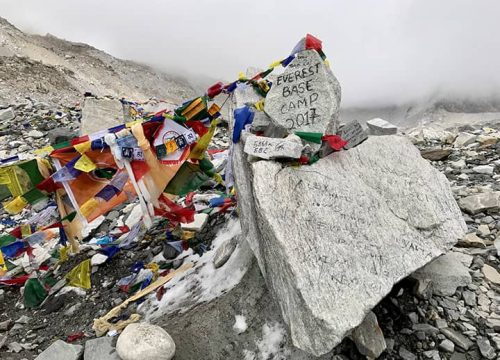
Nepal’s trails are spiritual pathways. Whether in the Everest, Annapurna, or Langtang region, you will see:
- Buddhist chortens
- Monasteries
- Prayer wheels
- Prayer flags
Walk clockwise around mani walls, turn prayer wheels in the same direction, and take photos respectfully.
5. Shoes Off Indoors
Removing footwear before entering tea houses, homes, or monasteries is polite gesture. It shows cleanliness and respect for shared space.
6. Dress Modestly in Villages
Nepal is culturally conservative. Even while trekking, shorts and revealing outfits may be uncomfortable for locals. Long-sleeve layers and trekking trousers show respect and avoid misunderstandings.
7. Expect Simple Living and Shared Resources
Hot showers, electricity, and heating on trails are shared and sometimes limited. Be mindful of water and firewood usage — they are valuable in mountain communities.
8. Ask Before Photographing People
Mountain residents are warm, but not everyone loves cameras pointed at them. A simple “May I take a photo?” reflects good manners.
9. Community Relationships Matter More Than Schedule
Treks in Nepal are not rushed experiences. People value conversation, tea time, and social bonding. You may pause for tea invitations or chats with villagers — these interactions become cherished memories.
10. Gratitude, Humility, and Patience Go a Long Way
Hardworking porters, cooks, and lodge owners often come from rural backgrounds. Treating them with respect and appreciation is key to responsible trekking.
Why Cultural Understanding Makes Your Trek Better
Trekking becomes richer when you appreciate not only mountains but also the communities holding them together. Knowing local etiquette helps you:
- Build meaningful connections
- Avoid unintentional disrespect
- Experience deeper immersion
Ready to trek in Nepal? Mountain Ascend Treks provides full support including itineraries, permits, guides, and accommodations. Plan your Himalayan adventure with us today!
Plan your trek now: https://mountainascendtreks.com/tours-page/
Contact us now to get a free itinerary and quote!
Whatsapp: +977 9851115281
Email: [email protected]